
Beit Chabab – The church of our Lady of the Milk

NOTRE DAME NOURRICIÈRE كنيسة سيدة البزاز, Beit Chabeb, Lebanon

Other Details

كنيسة سيّدة البزاز

Beit Chabab

Metn

Mount Lebanon

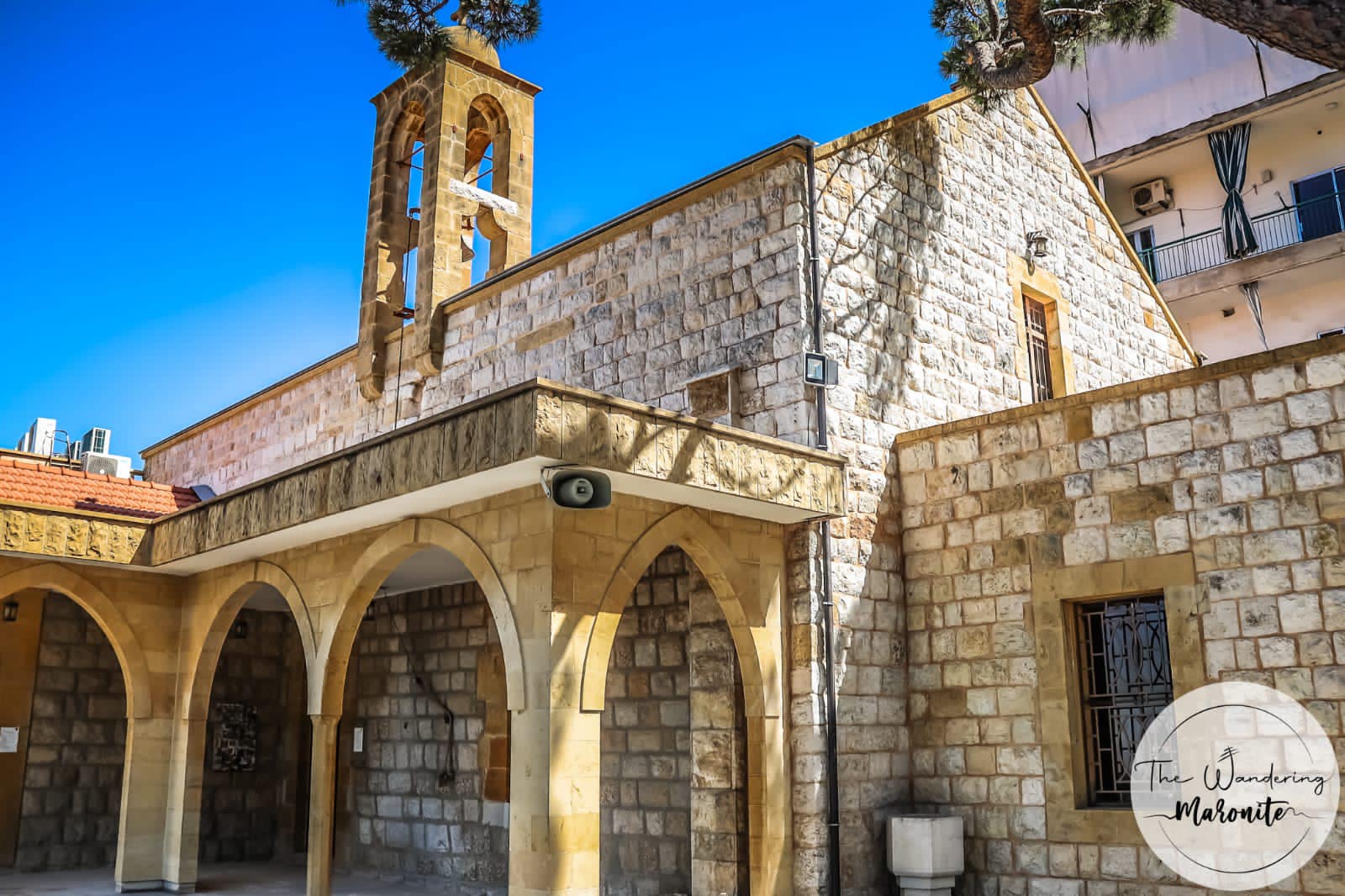
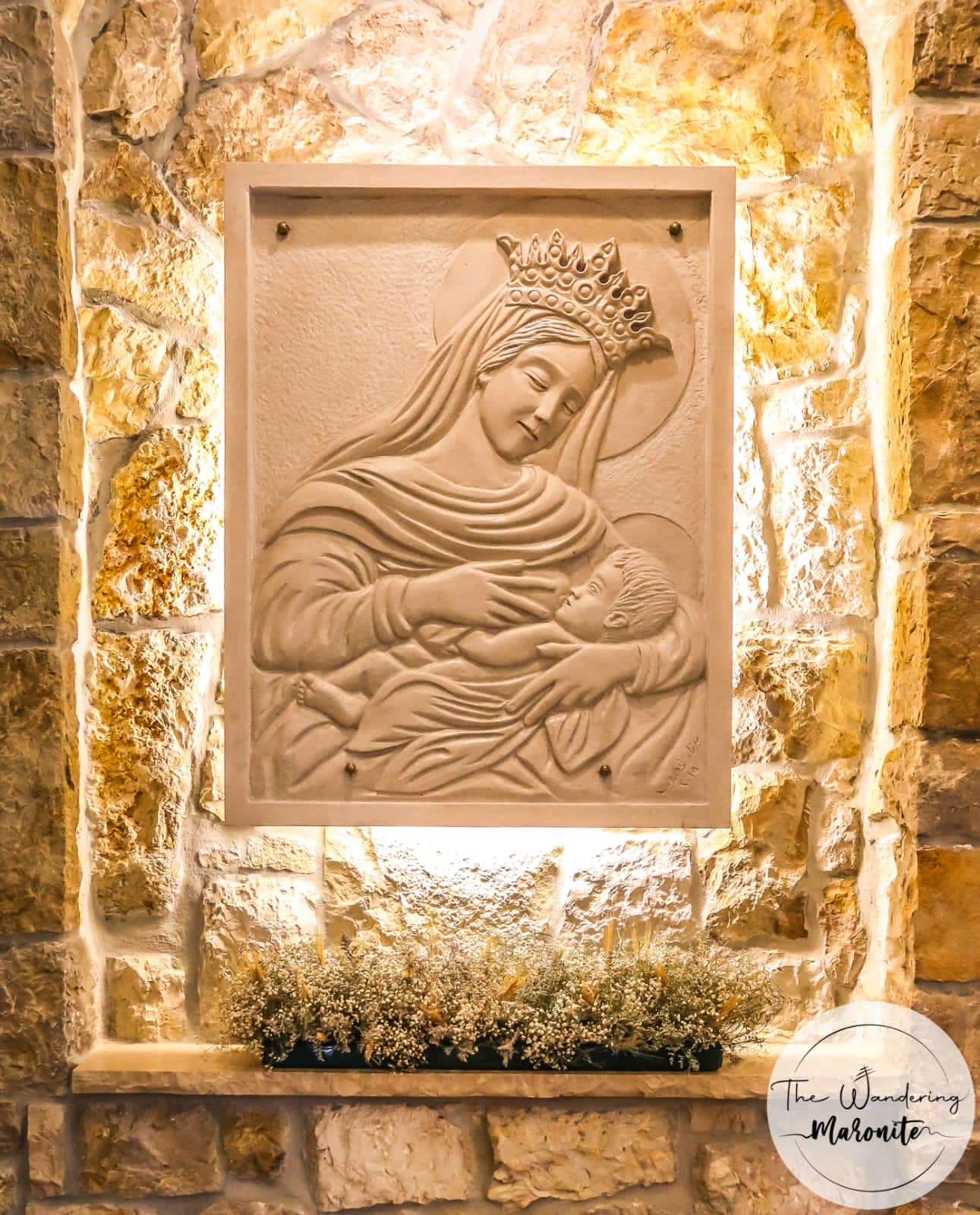
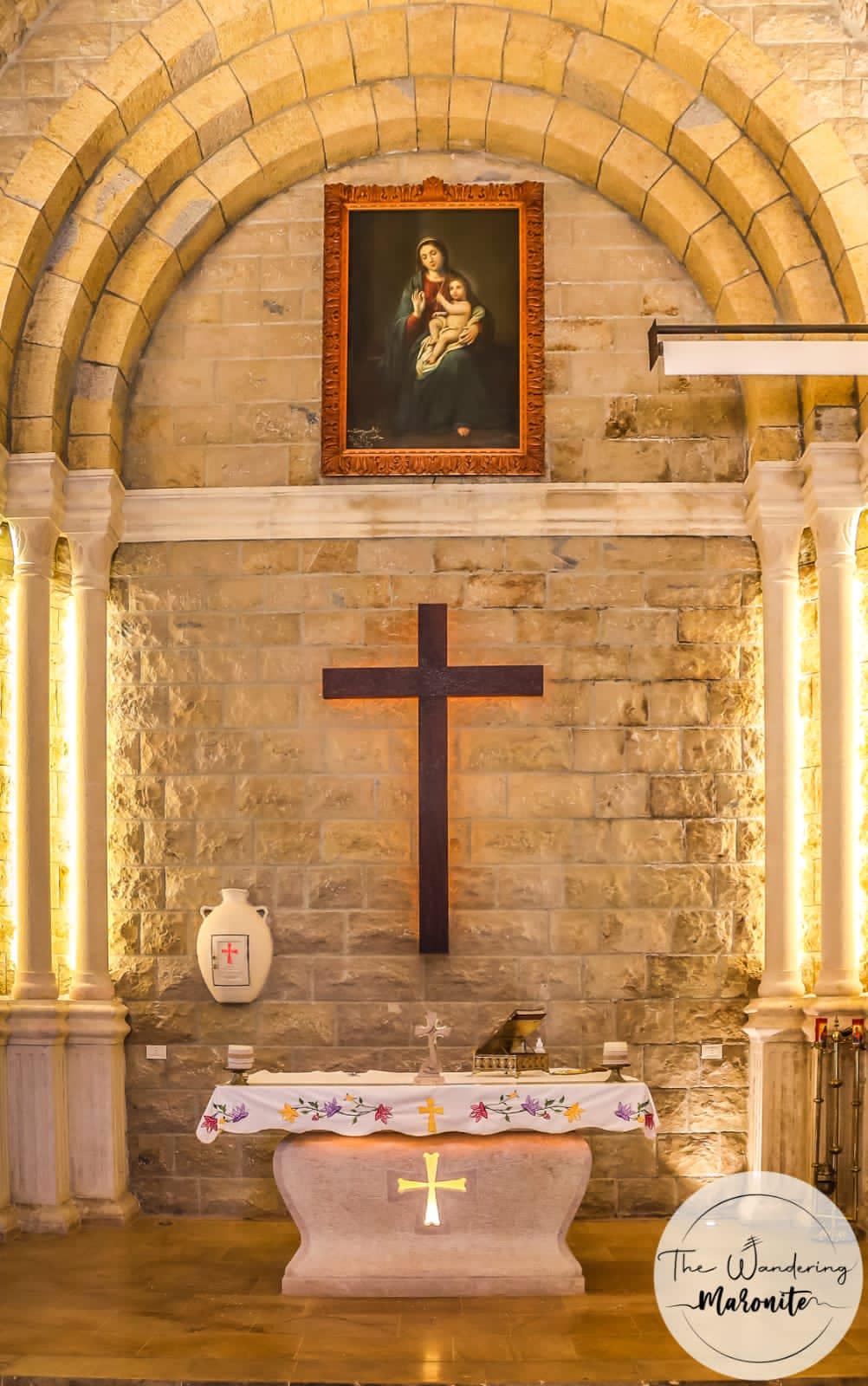
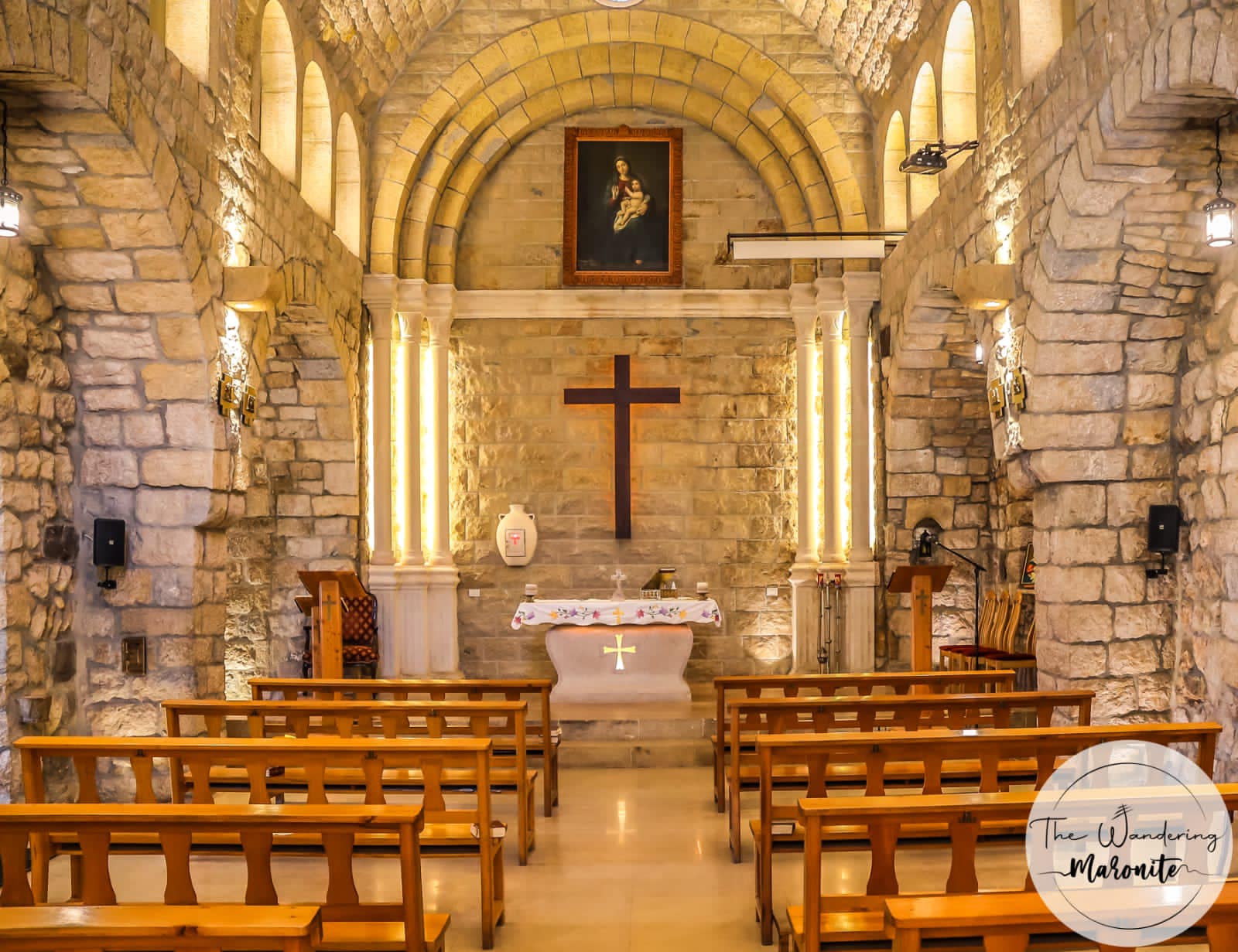
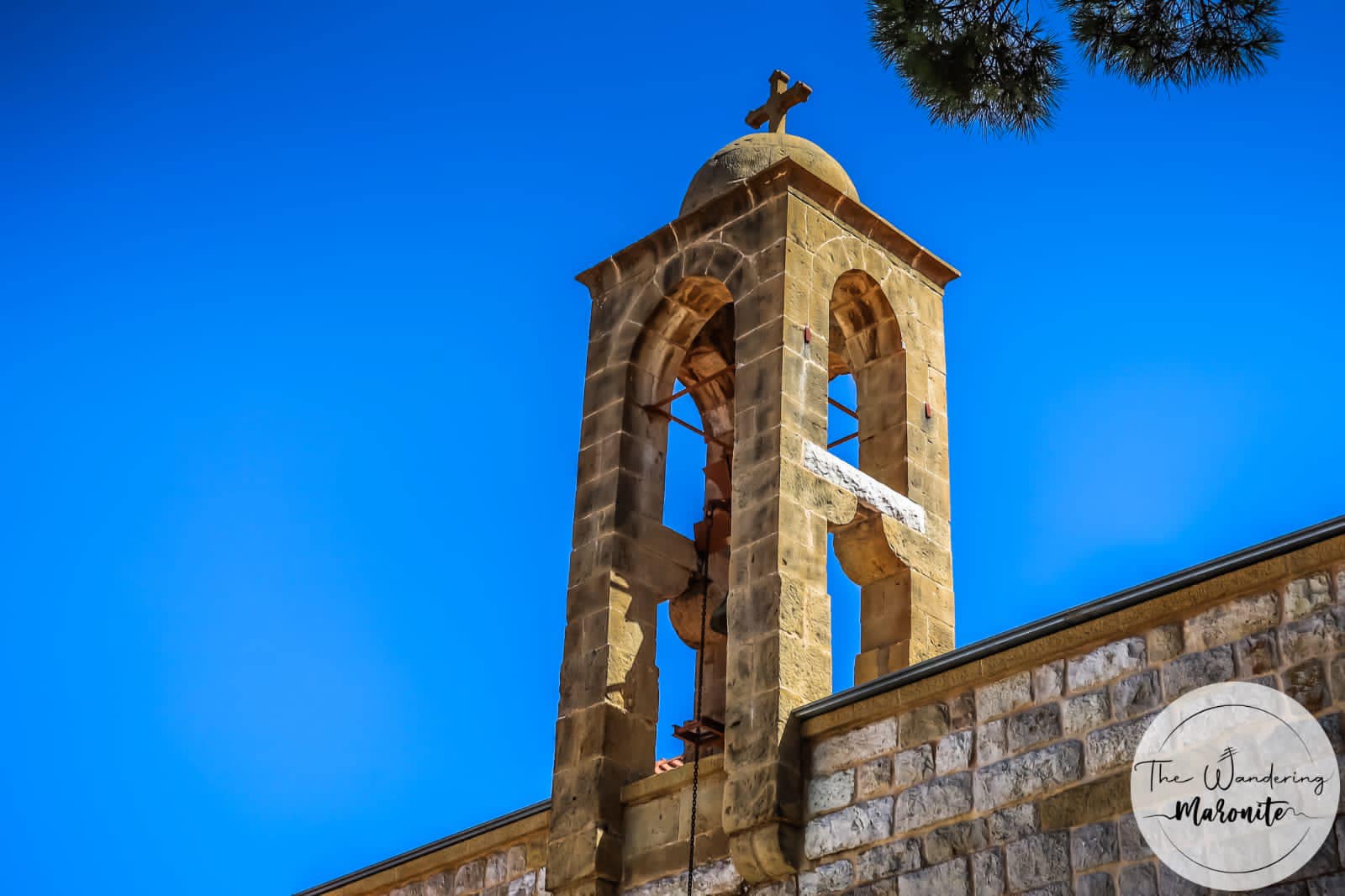
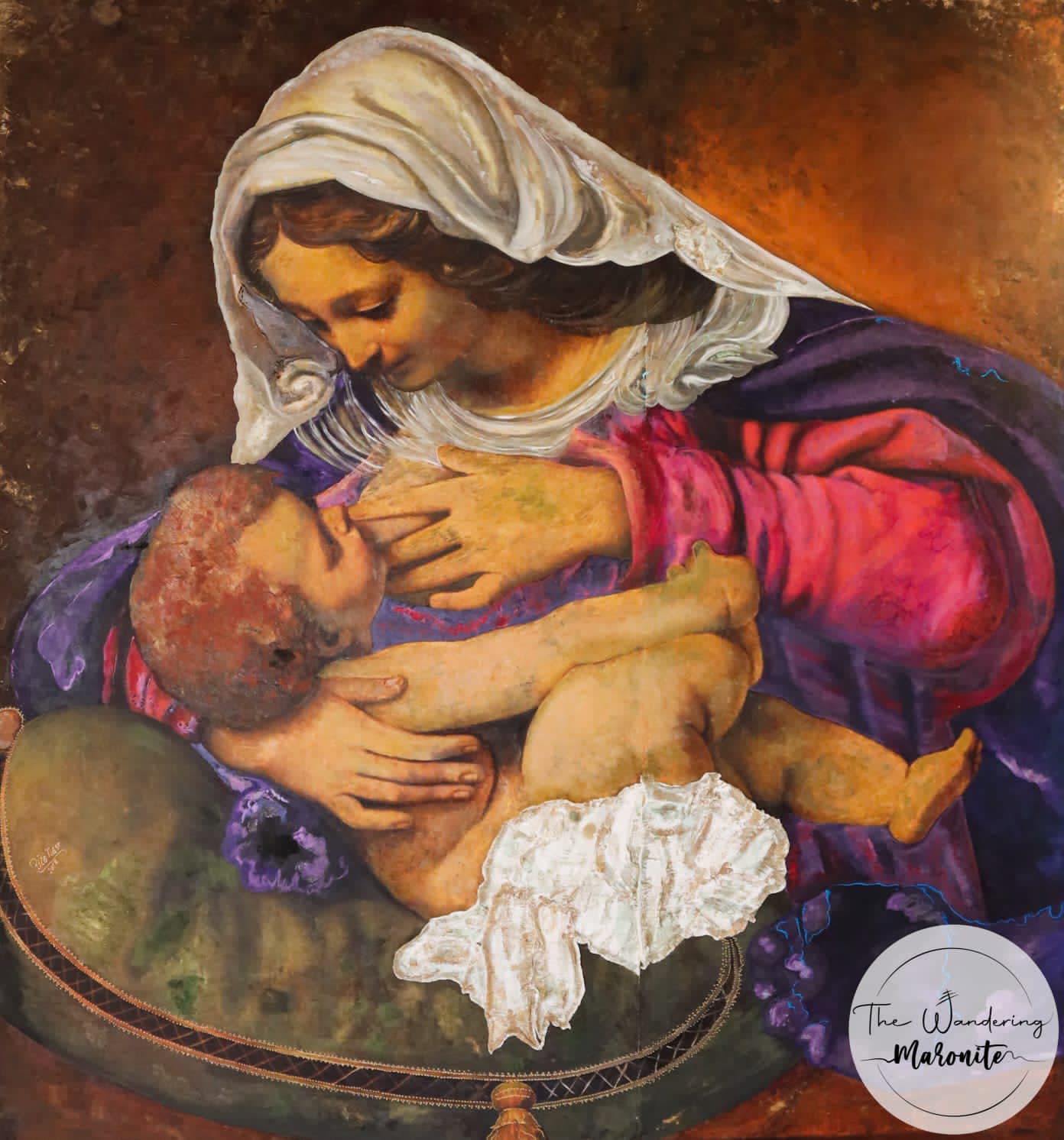
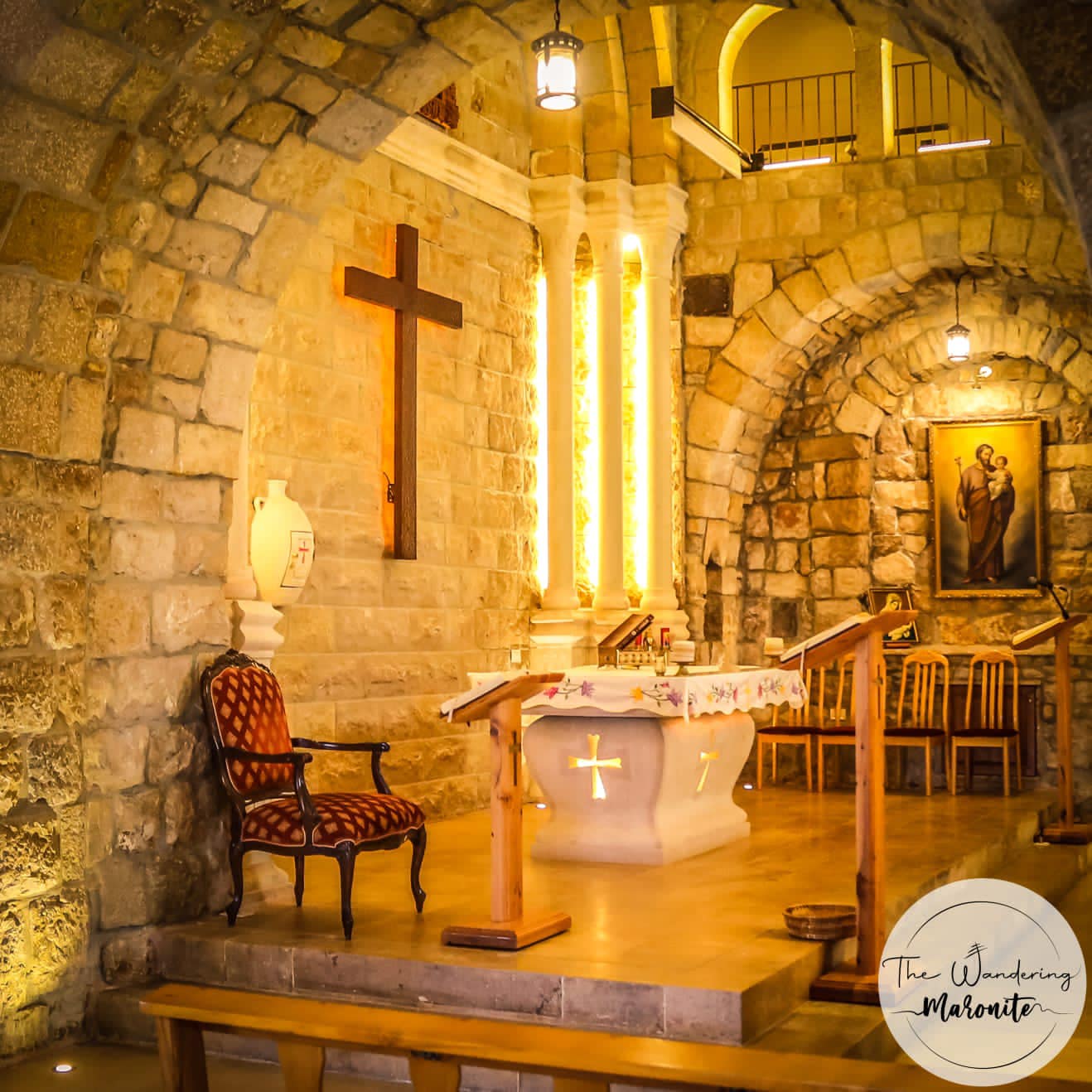
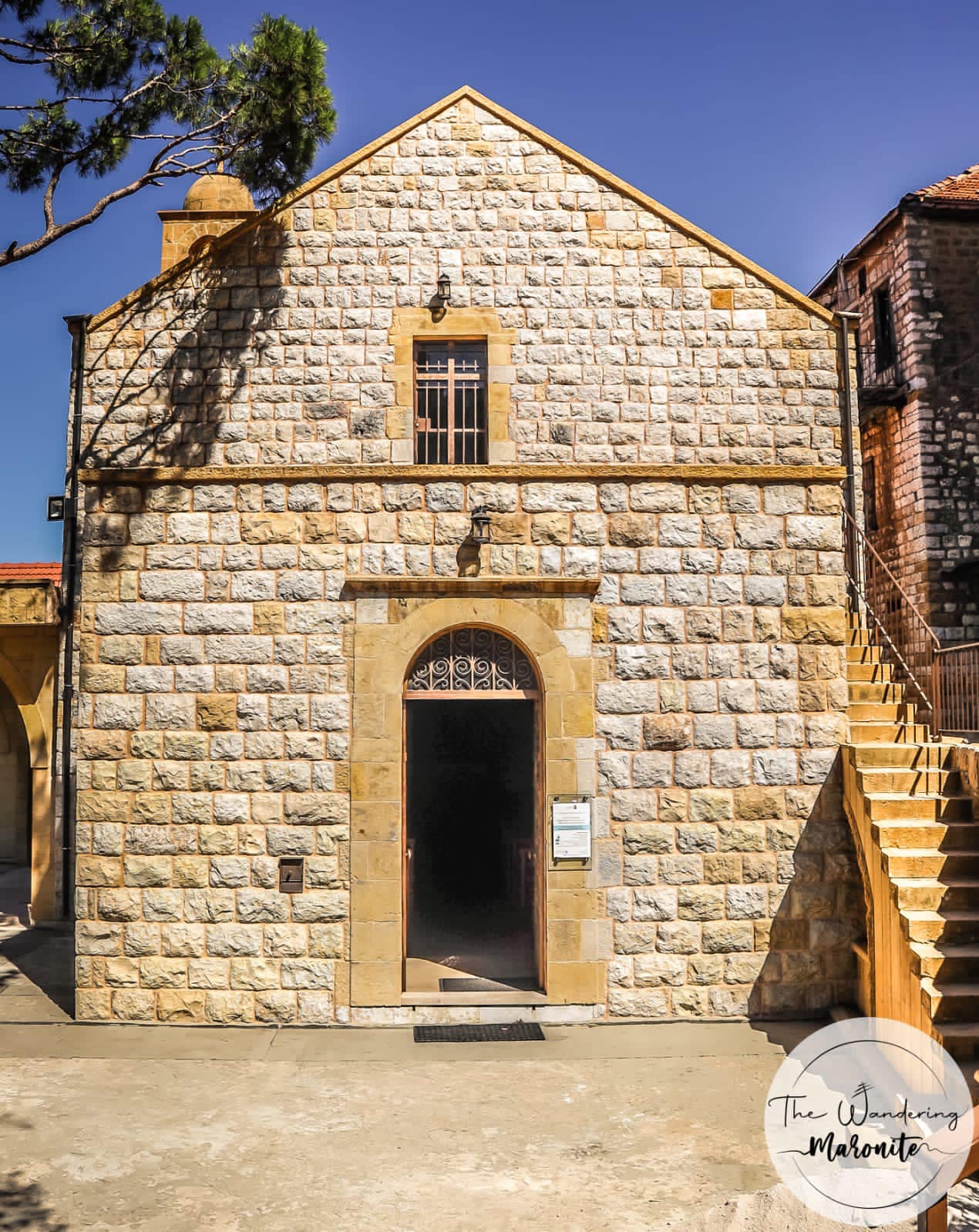
كنيسة سيّدة البزاز - بيت شباببنتها عائلة غبريل سنة ١٨٣٥ في حيّ بيت الزعرور. تجدّدت سنة ١٨٧٥ وأعيد تكريسها على يد المطران نعمة الله سلوان سنة ١٩٠٦. في الكنيسة لوحتين مريميّتين الأولى هي العذراء المرضعة لداوود القرم تعود لسنة ١٨٨٢، والثانية أقدم عهدًا غير موقعة. ولوحة لمار الياس عمل حبيب سرور سنة ١٨٨٨، وأخرى لمار يوسف بلا توقيع.The church of our Lady of the Milk - Beit ChababThe church was built by the Ghobril family in 1835 in the area known as Beit el Zaarour. In 1875 it was renewed and reconsecrated by Bishop Nematullah Selwan in 1906. The church holds two marian paintings: the first by Dawoud El Qorm from 1882 representing the breastfeeding mother, the second one is older and not signed. It also contains a painting of St Joseph not signed, with another of St Elias by Habib Srour from 1888.

Visited 7491 times, 4 Visits today
Reviews are disabled, but trackbacks and pingbacks are open.

Related Listings

Rmeish – The church of St George

Saint George Church كنيسة مار جريس - رميش, Rmaych, Lebanon

كنيسة مار جرجس

Rmaich

Bent Jbeil

Nabatieh

كنيسة مار جرجس - رميش

تأسّست الكنيسة الأولى سنة ١٧٤٠، مع قدوم الموارنة إلى البلدة. تعرّضت هذه الكنيسة للتخريب جرّاء الزلازل والحروب عدّة مرّات. أُعيد بناؤها بالشكل الحاليّ سنة ١٩٢٩ ورمّمتها مديريّة الآثار سنة ١٩٩٥. الكنيسة كناية عن سوقٍ واحدٍ مستطيل مسقوف بسقفٍ بغداديّ. مذبحها رخاميّ يحوي نقشًا لمار جرجس. وتحوي الكنيسة لوحتين للسيّدة ومار جرجس.

The church of St George - Rmeish

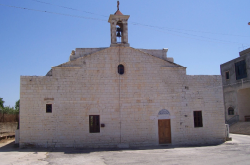
The church was founded in 1740 when the first Maronites came to the village. It was damaged many times due to wars and earthquakes. It took its current form in 1929, and was restored in 1995. The structure is a single roofed rectangular nave with a wooden ceiling. The main altar contains a marble Bas-Relief of St George. The church holds two local paintings: the Madonna and St George.

Front view of a beige stone church with a small bell tower and a wooden door under a circular window, on a sunny day

Aalma El Chaab – Prophet Elijah Greek Melkite Church

Prophet Elijah Greek Melkite Church, Aalma El Chaeb, Lebanon

كنيسة النبي إيليا للروم الملكيين الكاثوليك - علما الشعب

1875

Aalma Ech-Chaab

Sour

South

تقع كنيسة النبي إيليا للروم الملكيين الكاثوليك في بلدة علما الشعب، وهي جزء من تقليد مسيحي عريق يعود إلى قرون في هذه المنطقة. عُرفت البلدة منذ القرن التاسع عشر بوجود جماعات مسيحية، خصوصًا من الروم الملكيين والمَوارنة، وكانت تضم عدة كنائس صغيرة لخدمة الأهالي. تنتمي الكنيسة إلى الكنيسة الملكية الكاثوليكية ذات الجذور المرتبطة ببطريركية أنطاكية، وتتبع الطقس البيزنطي. وقد كُرِّست للنبي إيليا (مار إلياس)، وهو من أبرز الشخصيات الروحية في المنطقة. تُعدّ الكنيسة اليوم مركزًا دينيًا واجتماعيًا لأبناء الرعية، حيث تُقام فيها الصلوات والاحتفالات الدينية، خاصة عيد مار إلياس في 20 تموز.

Kfarhay – The monastery of St John Maroun

Mar Youhanna Maroun, Lebanon

دير مار يوحنّا مارون

Kfar Hay

Batroun

North

دير مار يوحنّا مارون - كفرحي

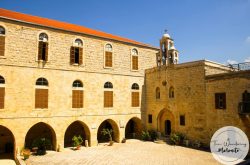
يروي التقليد أنّ القدّيس يوحنّا مارون، بنى الدير على أنقاض بيتٍ سكنه العبّاد يوم سيم اسقفًا على البترون في العام ٦٧٦، ونقل إليه هامة مار مارون وسمّاه ريش موران أي رأس مارون، وجعله كرسيّه بعد انتخابه بطريركًا سنة ٦٨٥. أقام في الدّير، البطاركة الموارنة المتعاقبون إلى دانيال الشاماتي. آل الدّير إلى الخراب بعد أن دمّره يوسف سيفا سنة ١٦٣٤. أعاد بناؤه البطريرك يوسف أسطفان سنة ١٧٨٧ وكرّسه على إسم مار يوحنّا مارون، وجعل فيه مدرسةً لتعليم الأحداث ما لبثت أن تحوّلت لإكليريكيّة سنة ١٨١٨ بأمر البطريرك يوحنّا الحلو. الديّر اليوم كرسيّ أساقفة البترون، وهو الشاهد على تاريخ الموارنة في لبنان.

The monastery of St John Maroun - Kfarhay

According to tradition, St John Maroun built the first monastery when he was the bishop of Batroun in 676 over a hermitage, and brought to it the holy relic of the forehead of St Maroun and named it Rish Moran or the head of St Maroun. He made the monastery his patriarcal seat when he was elected in 685. The succeeding patriarchs lived in the monastery until Daniel el Shamaty. The monastery was destroyed by Youssef Sayfa in 1634.
Patriarch Youssef Estfen rebuilt it with a school and consecrated it to St John Maroun, the school was transformed into a seminary in 1818 by a decree of Patriarch Youhanna el Helo.
The monastery is now the seat of the bishops of Batroun, and the witness to the Maronite history.